
360™
Mission and space mobility analysis software. High-fidelity flight, attitude and operations propagator for Phase 0 through operations training. Web studio plus Python library.
● Available now · quarterly releases[Space mobility] hardware and software for small satellites, in support of critical civil, commercial and defense missions.
13 slides. Use the arrows, your keyboard, or jump to a section.
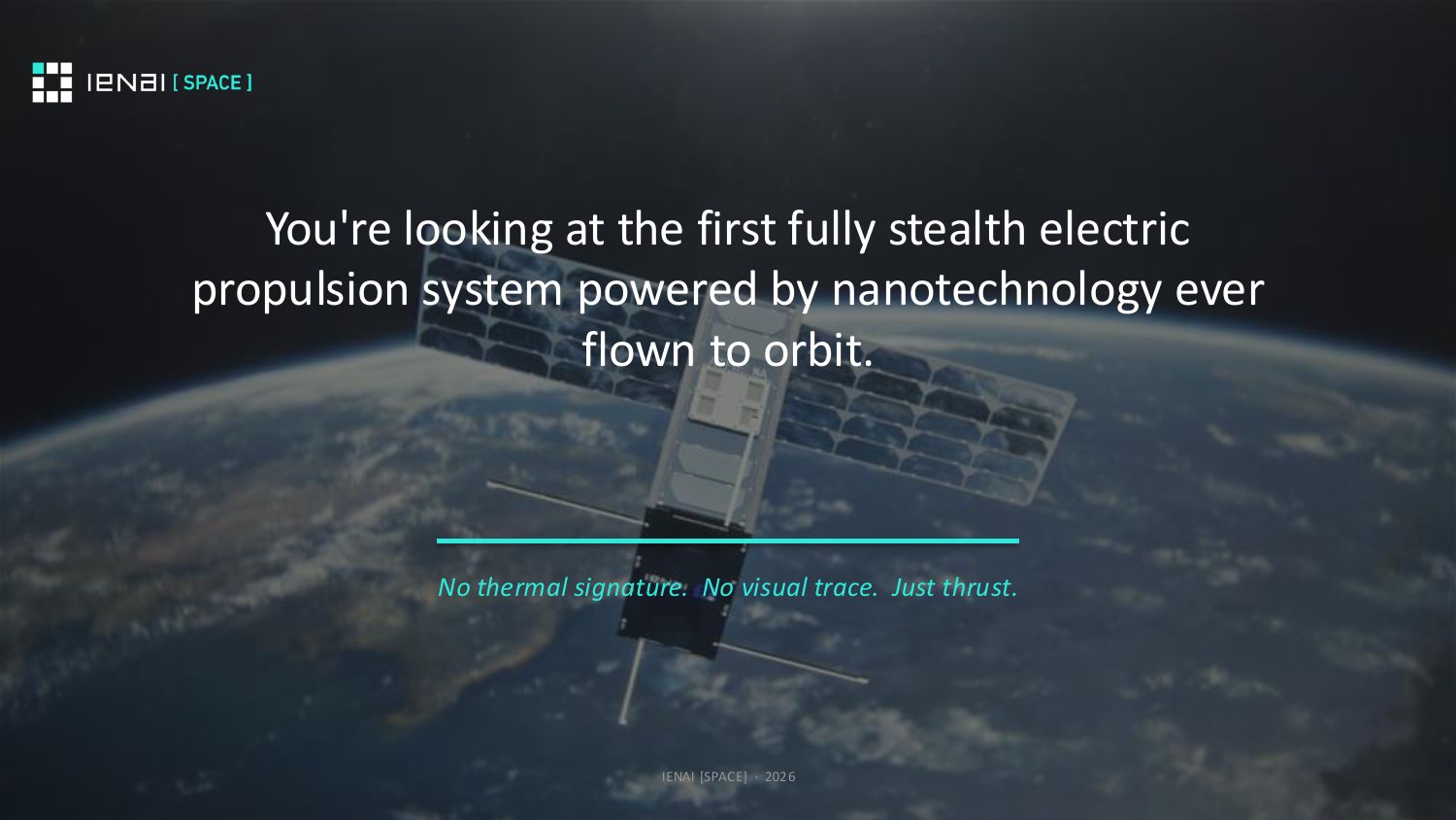
Miniaturized, high-performance, safe in-space propulsion built on a patented micro-manufacturing process. Developed in-house by a multidisciplinary engineering team, now flying.
15% of satellites still launch without propulsion. We remove the reasons: poor miniaturization, hard-to-handle propellants, high integration cost and ops complexity. Propulsion is 15–20% of satellite manufacturing cost today.
Electrosprays have a low optical and infrared footprint. That enables agile, low-detectability, resilient small-sat platforms for contested orbital environments. Validated for dual use with US DIU and AFRL, and the Spanish Air and Space Force.
2026: ESA Critical Design Review completed and TRL 8 reached; next, qualify the supply chain and ramp to TRL 9. 2027: kick-start mass production and land the first constellation contracts, aligned with Western strategic autonomy.
Mission and space mobility analysis software. High-fidelity flight, attitude and operations propagator for Phase 0 through operations training. Web studio plus Python library.
● Available now · quarterly releasesElectrospray thrusters for small satellites. Ionic-liquid propellant, ions extracted from micro-needles at ~20 km/s. Low power, compact, no pressurized tanks.
● NANO commercial end of 2026Propulsive-phase planning, optimization and automation, on ground or on board. Builds a digital twin from telemetry and navigation data to automate maneuvering.
● Coming soon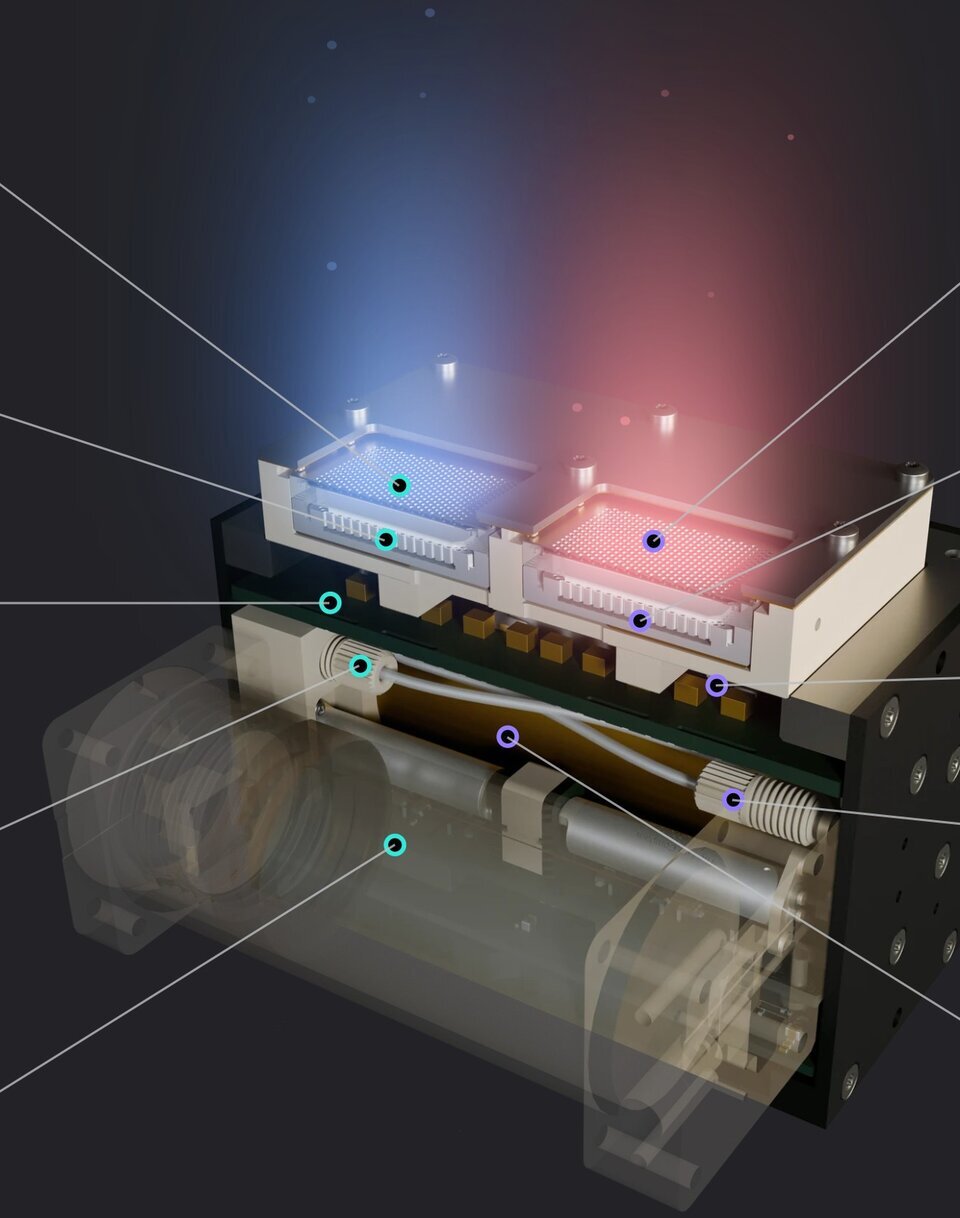
Conductive ionic-liquid propellant. Non-pressurized and safe to handle, stored in small tanks next to the emitters.
Electrostatic field on micro-needles. Two emitter arrays at opposite polarity evaporate ions straight from the propellant. The beam neutralizes itself, so no external neutralizer.
A ~20 km/s jet of reaction mass produces thrust. High efficiency from a few watts, small enough for a 6U CubeSat.
| ATHENA™ family | PICOIn development | NANO & flatCommercial 2026 | MICROKick-off 2026 · dev. 2027 |
|---|---|---|---|
| Total impulse · kN·s | 0.15 | 1.5 / 3 – 6 / 12 | 16 – 60 |
| Thrust · mN | 0.14 | 0.5 – 2 | 3.5 – 14 |
| Power · W | 4 | 15 – 60 | 100 – 400 |
| Target satellites | CubeSats | < 100 kg | Up to 500 kg |
Ranges as presented in the Series A deck. MICRO values are targets, subject to change during development.
Four ATHENA™ NANO in-orbit demonstrations on three satellite platforms. Two are already flying.
| # | Platform | Launcher · mission | Date | Status |
|---|---|---|---|---|
| 01 | EnduroSat Platform-6 | ISAR Spectrum 2 | Sep 2026 | In orbit |
| 02 | FOSSA Systems 6U | SpaceX Falcon 9 · Bandwagon-5 | Oct 2026 | In orbit |
| 03 | ISISpace 6U | ISAR Spectrum 3 | Mar 2027 | Planned |
| 04 | EnduroSat 6U | VEGA | TBC | Planned |
TRL 8, certified through ESA's Critical Design Review. Semi-continuous ground firing since July 2026: 100+ propellant injections, multiple shutdowns and restarts, autonomous recovery from short-circuits at emitter and PCU level. 360™ is contracted by two European primes, INTA, IACTEC and the Spanish Air and Space Force Academy.
Follow our thrusters as they fire: streamed live from the vacuum chambers in our Madrid lab, and replayed from orbit after every ground-station pass.
Mission 01 · Platform-6 (EnduroSat) · flight playback
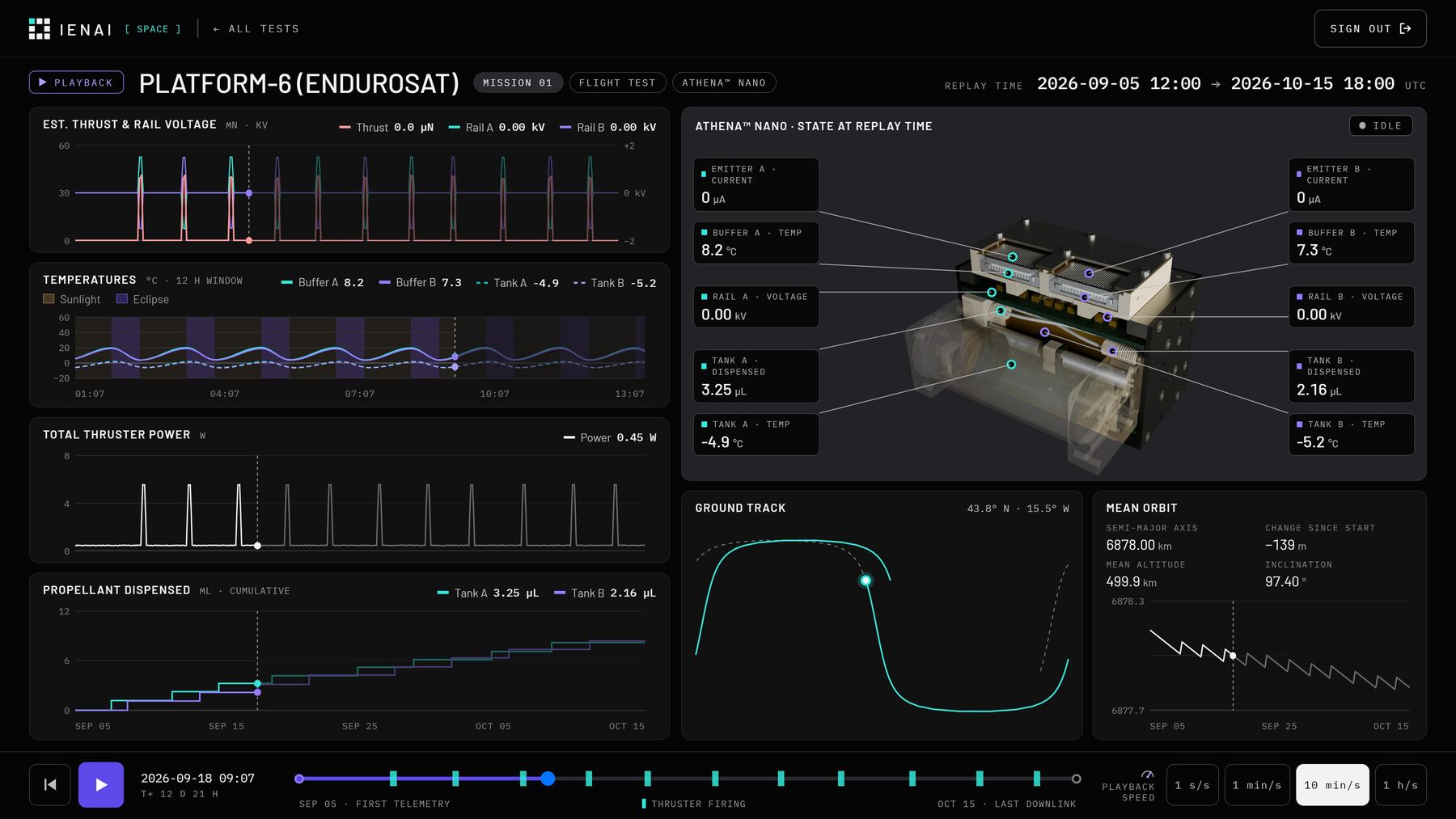
Flight replay, 5 Sep → 15 Oct 2026. Thrust, rail voltage, temperatures through sunlight and eclipse, propellant dispensed and the orbit change it produces.
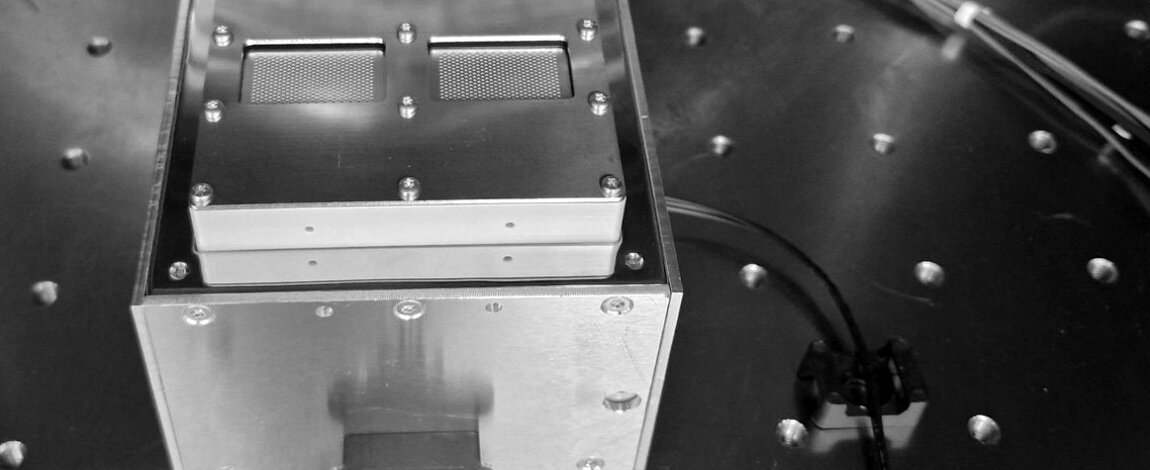 Live now
The thruster fires inside our vacuum chamber, recreating space conditions. Emitted current, power and temperature update as it runs, with the chamber camera and event log alongside.
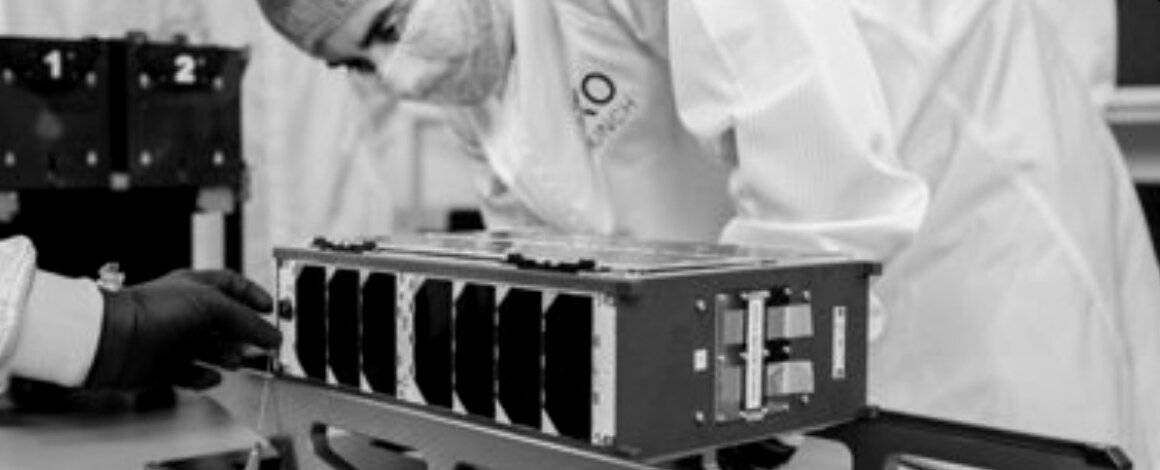 Playback
The first ATHENA™ NANO in orbit. Replay each ground-station pass to see how the thruster performs in space.
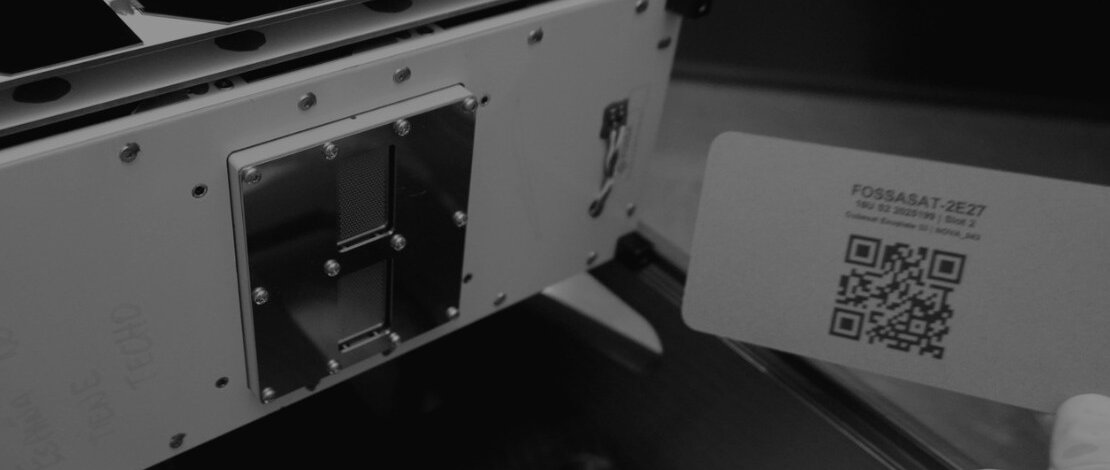 In orbit
ATHENA™ NANO on board FOSSA Systems' first 6U satellite. Launched on 20 October 2026; flight data appears here as ground-station passes come in.
[ Restricted access ]Access keys are issued by IENAI SPACE to partners and investors. Data is shared under NDA.
15–25% of satellite cost is tied to propulsion. Constellations, low penetration of orbital transfer vehicles and debris regulation (FCC, ORBITS Act, ESA Zero Debris) drive demand.
Commercial and defense satellite manufacturing, growing at more than 7% CAGR.
In-space propulsion across all satellite classes.
Low and very-low power propulsion for satellites from <100 kg up to 1,000 kg.
150 m² clean room, assembly and prototyping lab, acceptance test line.
QA/PA certification, pilot batches, full-scale production.
Radiation tolerance for deep-space and high-radiation orbits.
New 100–200 W system for satellites up to 500 kg.
360™ scale-up, ORBITAL™ development, international expansion and M&A.
Four PhDs. One mission. A 35-person multidisciplinary engineering team across Madrid, Barcelona and Uppsala.
 Co-CEO · Board
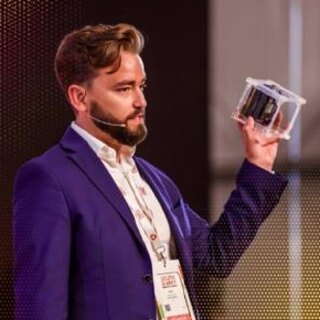 Co-CEO · Board
 CTO
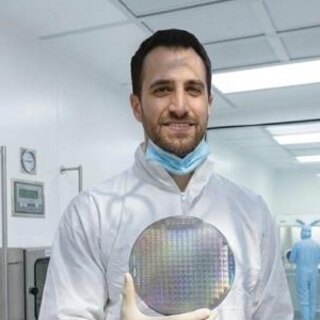 CSO
Tell us who you are and what you need, and we will get back to you with access.
Send this email to sara.correyero@ienai.space and daniel.perez@ienai.space. Your request reaches us once you send it.
daniel.perez@ienai.spacesara.correyero@ienai.space